DeFi protocols and token ecosystems can use a DEX to support trading for native tokens and compatible digital assets. The trading rules, token compatibility, and liquidity strategy should align with the wider ecosystem.
Decentralized Exchange
Development Company
Build a secure, scalable decentralized crypto exchange with Craitrix. We help startups, DeFi businesses, Web3 entrepreneurs, and enterprises launch custom and white-label DEX platforms, from smart contracts and wallet integration to liquidity and security testing.
What Is a Decentralized Exchange
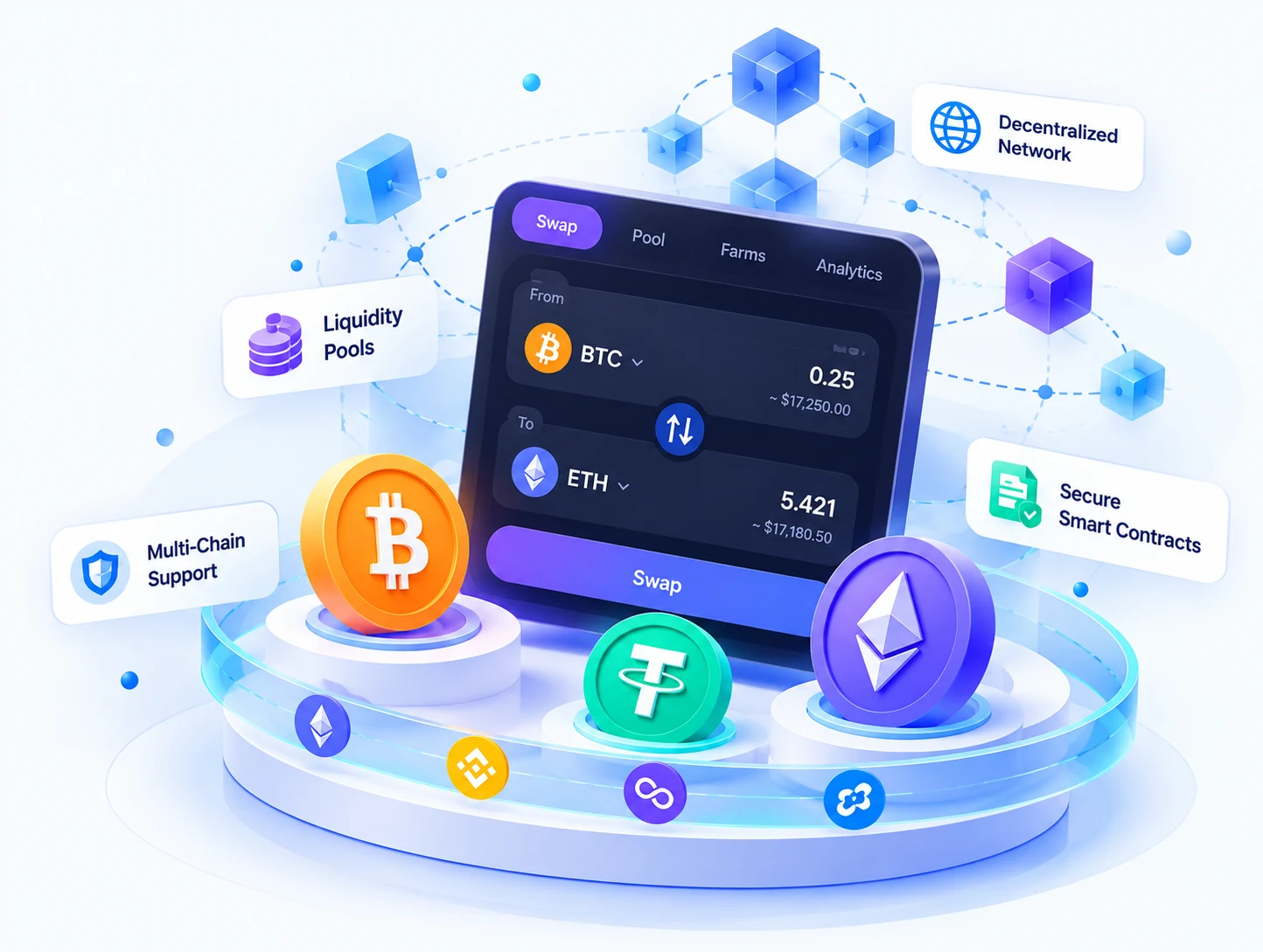
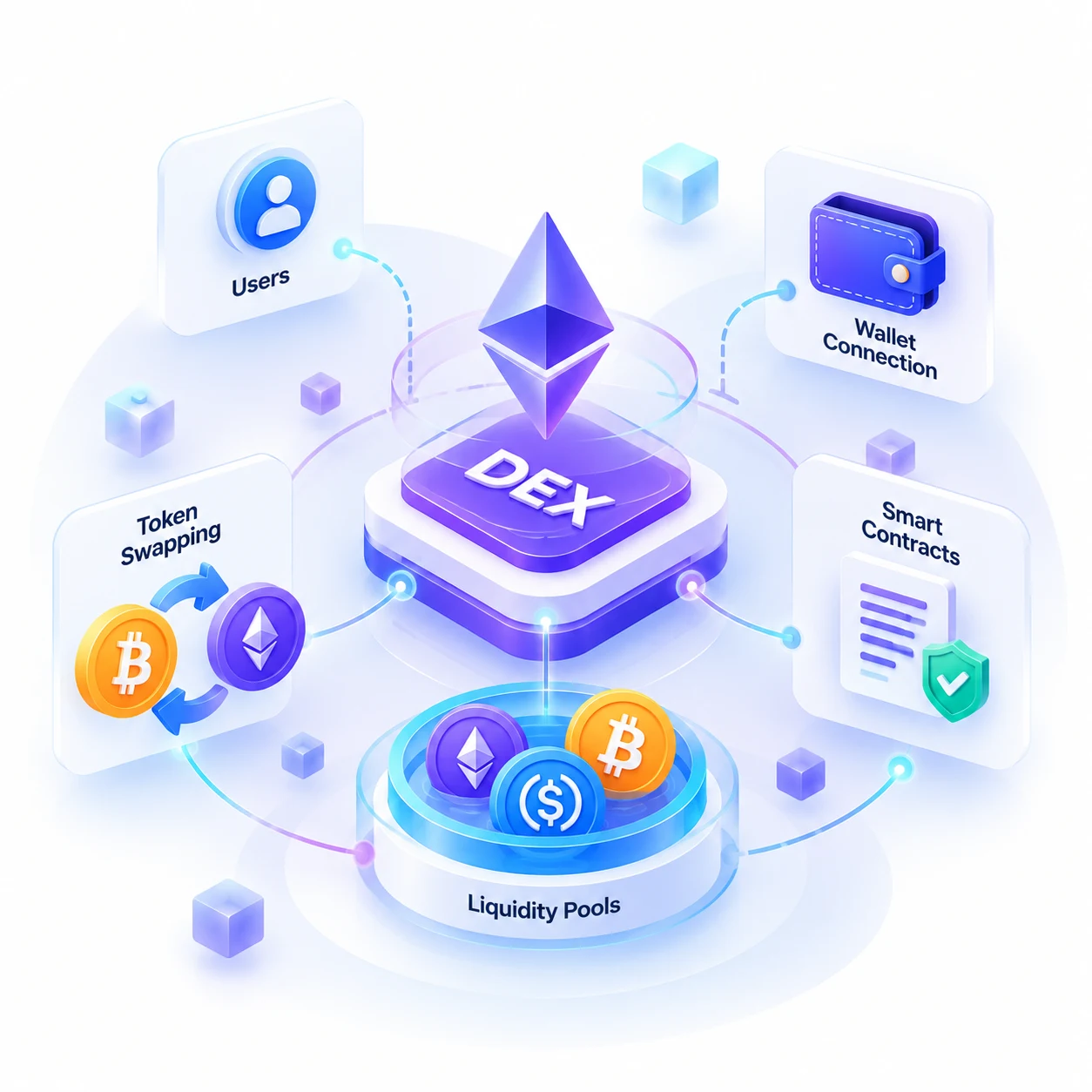
A decentralized exchange (DEX) is a cryptocurrency trading platform that enables users to exchange digital assets through blockchain-based smart contracts. Users generally retain control of their wallet assets and authorize transactions themselves rather than depositing funds with a centralized operator. DEX platforms may use automated market makers (AMMs), order books, or other trading mechanisms. The right model depends on your business goals, liquidity strategy, supported blockchain, and user requirements.
How Is It Different from a Centralized Exchange?
For businesses exploring decentralized trading, our DEX development guide for 2026 outlines key platform features, development approaches, and technical considerations.
DEX vs CEX: Key Differences
Decentralized Exchange (DEX)
Asset custody
Users generally control their wallet assets.
KYC requirements
Depend on the platform, business model, and applicable regulations.
Liquidity source
Liquidity pools, on-chain order books, or external protocols.
Control
Trading rules are implemented through smart contracts and protocol mechanisms.
Fees
Network gas fees and protocol trading fees may apply.
Centralized Exchange (CEX)
Asset custody
The operator often manages customer assets.
KYC requirements
Typically includes account verification and KYC procedures.
Liquidity source
Order books, market makers, and liquidity providers.
Control
The operator manages the exchange infrastructure and operations.
Fees
Trading and other platform fees may apply.
Decentralized Exchange Development Services
Craitrix provides decentralized exchange development services for businesses planning to launch a new DEX or expand an existing DeFi product. The development scope is based on your trading model, target audience, blockchain requirements, and launch objectives.
Custom Decentralized Exchange Development
Custom DEX development creates a platform around your business model and trading requirements. Depending on the selected architecture, the solution can include:
- Smart contract-based trading and settlement
- Token swaps and liquidity pool functionality
- Web3 wallet connectivity and transaction tracking
- Custom trading interfaces and fee configuration
- External protocol and blockchain integrations
This approach provides greater control over platform functionality, trading rules, and future enhancements.

White Label Decentralized Exchange Development
White-label decentralized exchange development uses an existing platform foundation that can be configured to meet supported business requirements. Customization may include branding, trading features, wallet integrations, supported networks, and fee settings. It can reduce initial development effort compared with building every component from scratch, although licensing, customization, and security reviews still affect the overall scope. Businesses looking to launch with an existing platform foundation can consider our white-label crypto exchange development solutions for platform customization and feature integration.
DEX MVP Development and Platform Modernization
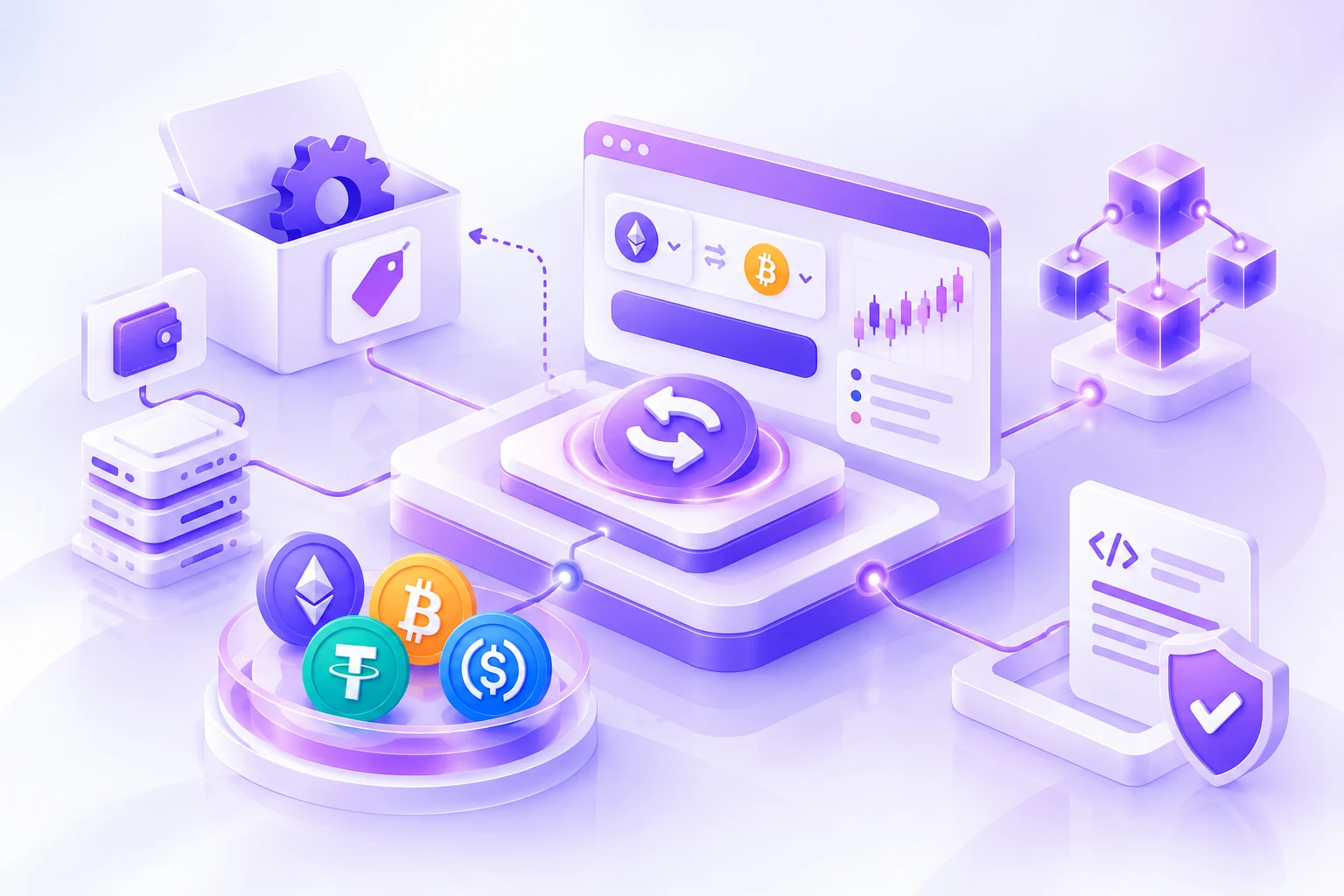
DEX MVP development prioritizes essential functionality for an initial launch. The first release may include wallet connectivity, core swaps, essential smart contracts, and transaction monitoring.
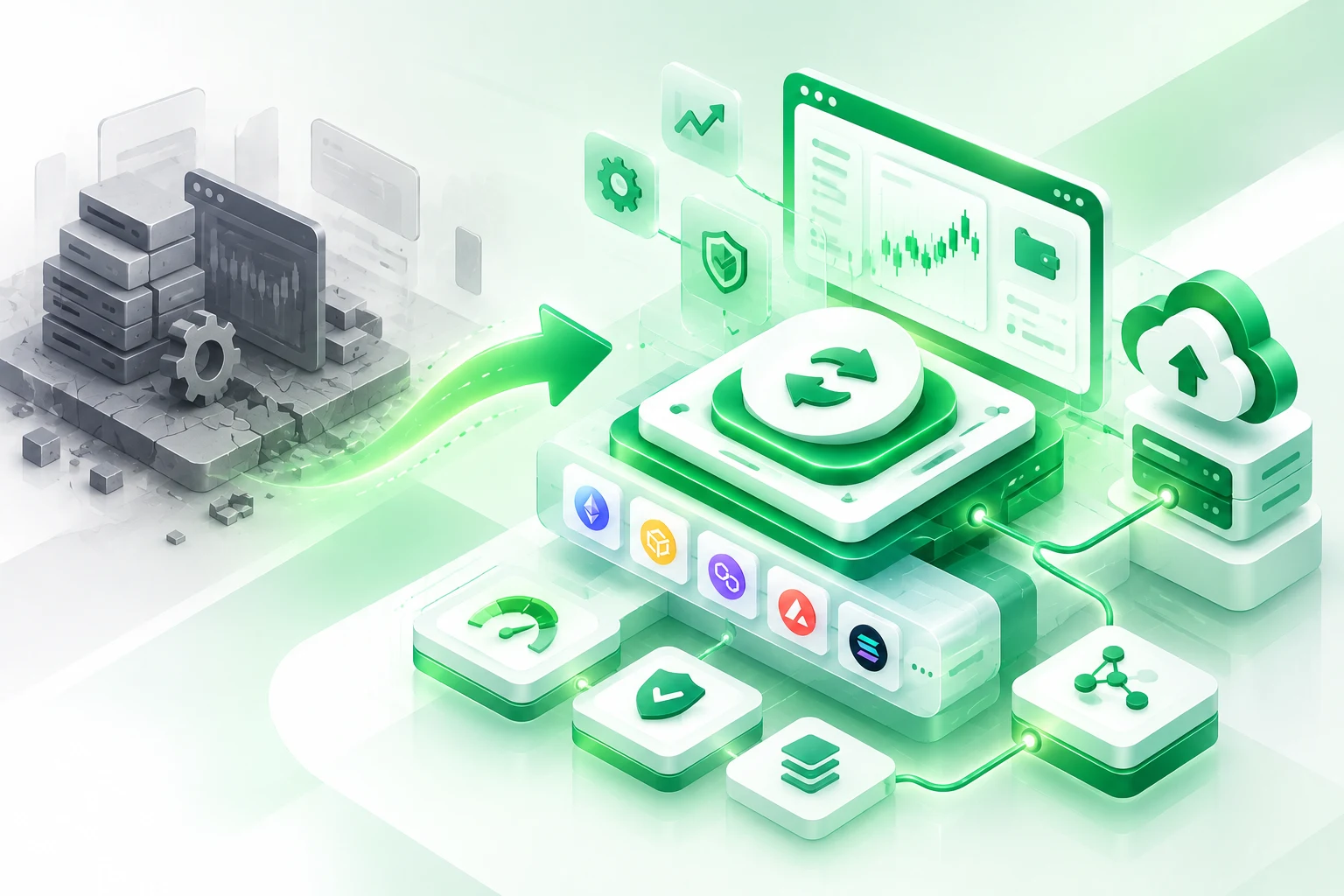
For existing DEX platforms, modernization can focus on:
- Updating the trading interface and user experience
- Improving existing integrations
- Addressing performance and functionality limitations
- Adding features required for future expansion
A phased approach helps prioritize essential capabilities before introducing more advanced functionality.

Planning to Build a Decentralized Exchange?
Discuss your DEX business model, required trading features, and blockchain preferences with Craitrix to identify the right development approach.
Types of Decentralized Exchange Platforms We Build
Different DEX models support different trading requirements. Craitrix helps businesses assess the appropriate model based on their target users, liquidity strategy, assets, and blockchain ecosystem.
AMM-Based DEX Development
An automated market maker (AMM) DEX uses smart contracts and liquidity pools to facilitate token swaps without a traditional order book. Liquidity providers deposit supported assets into pools and may earn a share of trading fees.
Core development components can include pool creation, swap execution, liquidity deposits and withdrawals, fee configuration, and price-impact controls.
Order Book DEX Development
An order book DEX allows users to submit buy and sell orders at specified prices. The platform matches compatible orders according to its trading rules. Depending on the architecture, order management may operate on-chain or combine off-chain processing with on-chain settlement.
This model suits businesses that need greater control over order types, price discovery, and execution logic.

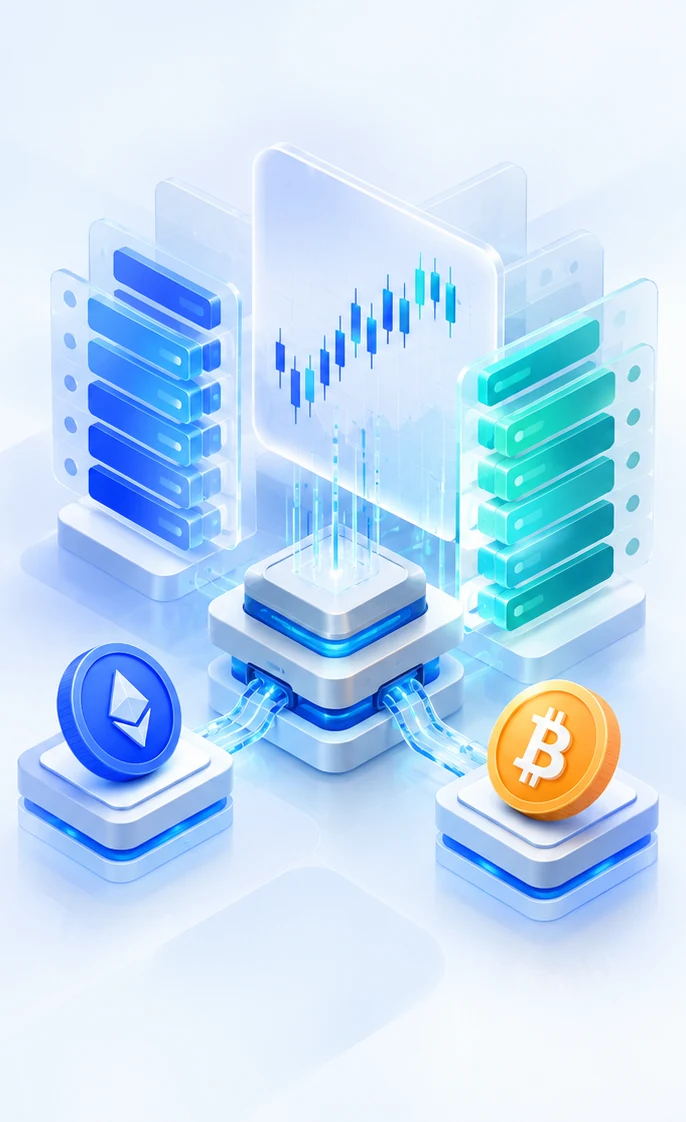
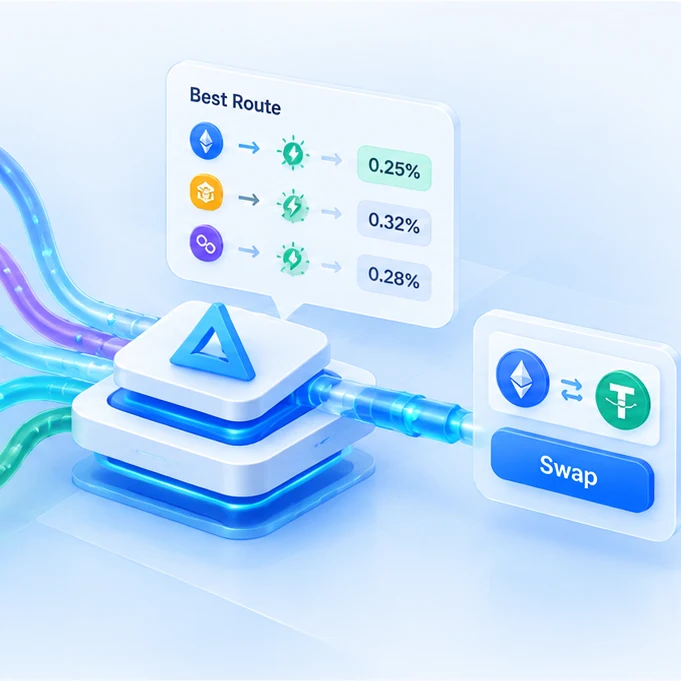
DEX Aggregator Development
A DEX aggregator compares available liquidity sources and trading routes to identify suitable swap options. Its functionality may include:
- Comparing quotes across supported protocols
- Identifying alternative swap routes
- Estimating output, fees, and price impact
- Supporting slippage settings and swap execution
The quality of routing depends on available liquidity, integration coverage, and network conditions. For businesses building broader decentralized finance products, our DeFi development services support the development of blockchain-based financial applications and protocol integrations.
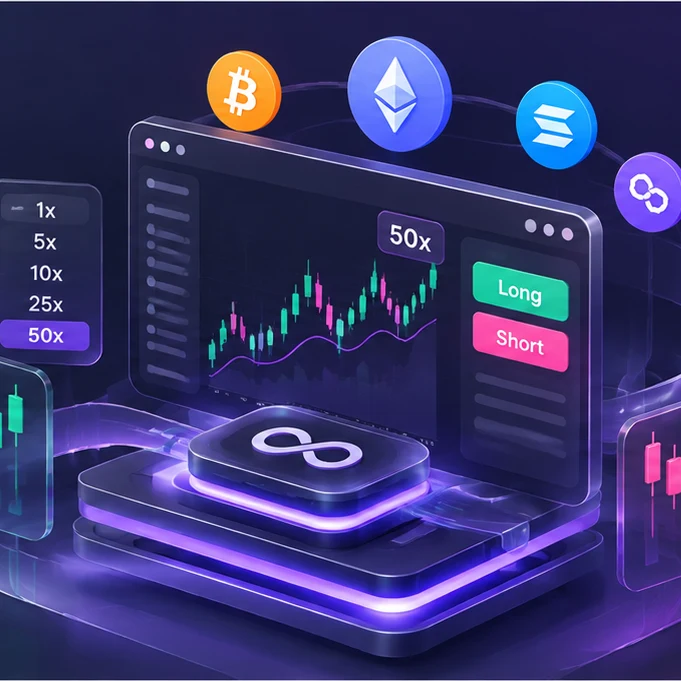
Perpetual DEX Development
A perpetual DEX supports derivatives trading through contracts without a fixed expiry date. Depending on the protocol, functionality may include leveraged positions, collateral management, funding rates, and liquidation mechanisms.
Development must account for oracle reliability, collateral exposure, liquidation logic, market volatility, and applicable regulatory requirements.
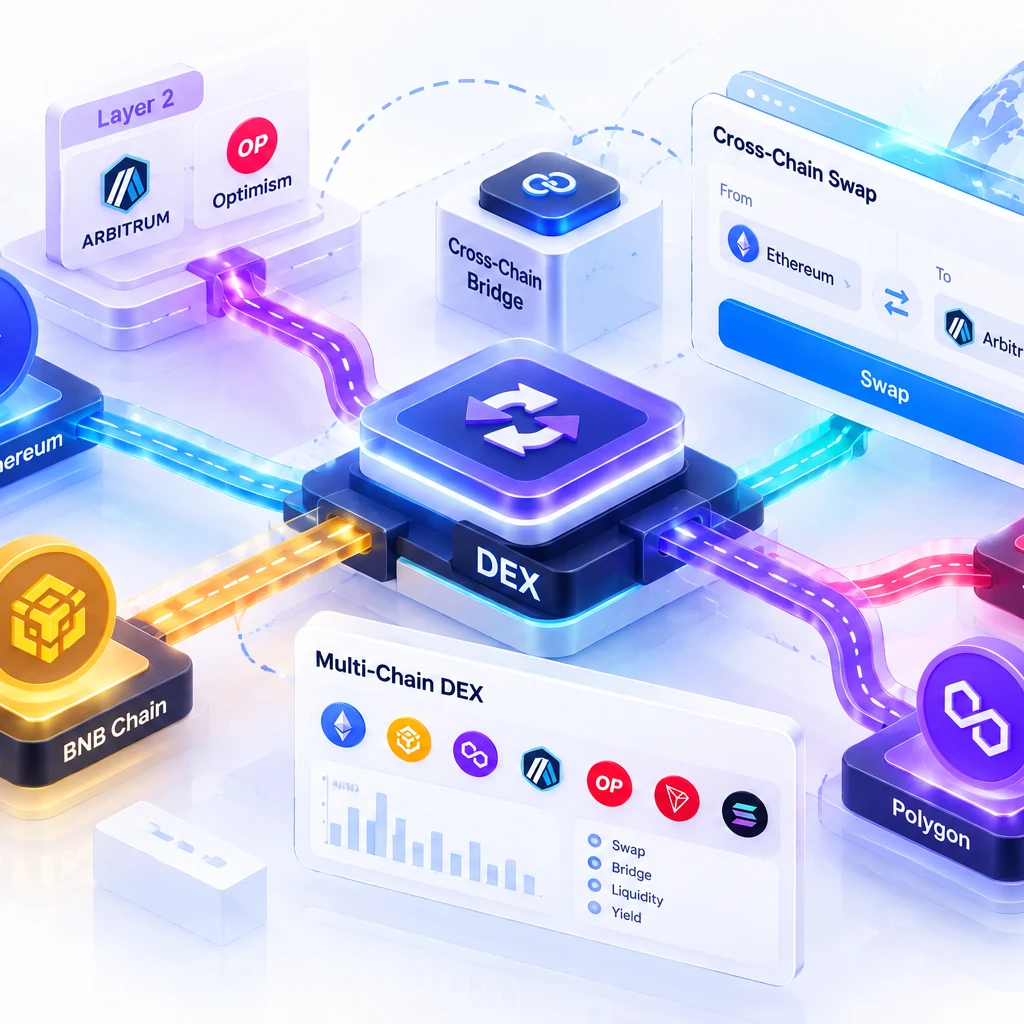
Cross-Chain and Layer 2 DEX Development
Cross-chain DEX solutions support trading across selected blockchain networks, while Layer 2 deployments can provide lower transaction costs or higher throughput for suitable applications.
Development considerations include network compatibility, transaction finality, interoperability infrastructure, bridge risks, and liquidity fragmentation.
Essential Features of Decentralized Exchange Software
DEX software needs core trading functionality that supports transaction execution, transparent pricing, and a clear user experience. Features should match the selected trading model rather than adding complexity without a business need.
Token Swaps, Liquidity Pools and Trading Pairs
Core functionality may include:
- Swapping supported digital assets
- Creating and managing liquidity pools
- Supporting selected trading pairs
- Depositing and withdrawing liquidity
- Displaying swap quotes and transaction status
The exact features depend on the DEX model and supported protocol.
Web3 Wallet Integration and Transaction Management
Wallet integration allows users to connect compatible wallets and authorize blockchain transactions. The platform should display token balances, network fees, transaction status, and failure messages clearly. Network switching and transaction prompts should also help users verify the correct blockchain before approving an action. Craitrix provides crypto wallet development services to support secure digital asset management and seamless wallet connectivity for blockchain applications.
Smart Order Routing, Slippage and Price Impact Controls
These features help users understand and manage swap execution:
- Smart order routing: Evaluates available routes across supported liquidity sources.
- Slippage controls: Let users set acceptable price movement before a swap fails.
- Price-impact estimates: Show how a trade may affect the quoted price.
Actual execution still depends on liquidity, market movements, and network conditions.
Analytics, Fee Management and Admin Dashboard
An administrative dashboard can provide visibility into platform activity and operational performance. Depending on the architecture, it may include trading volume, swap history, pool metrics, fee settings, failed transaction reports, and integration monitoring. Administrative permissions should be designed carefully to avoid unnecessary risks to decentralized functions.
Decentralized Exchange Architecture and Blockchain Integration
DEX architecture connects smart contracts, blockchain networks, wallet interfaces, and supporting services. The design depends on the trading model, supported assets, transaction requirements, and integrations needed for the platform.
Smart Contracts, Trading Logic and Settlement
Smart contracts implement core on-chain operations such as swaps, liquidity pool interactions, fee distribution, and settlement. Development should account for transaction validation, permissions, error handling, and protocol-specific rules. Testing should cover expected transactions, edge cases, and potential attack scenarios before deployment. Craitrix provides smart contract development services to help businesses build and integrate blockchain functionality tailored to their decentralized exchange requirements.
Blockchain Network and Layer 2 Integration
The selected blockchain affects transaction fees, confirmation times, available tooling, and ecosystem compatibility. Network selection should consider:
- Target users and supported assets
- Transaction costs and throughput
- Wallet and token-standard compatibility
- Available infrastructure and liquidity
- Future expansion requirements
Layer 2 networks may suit applications that prioritize lower transaction costs, while cross-chain functionality introduces additional interoperability considerations. Selecting the right blockchain infrastructure affects transaction costs, confirmation times, scalability, and compatibility with decentralized applications.
Craitrix offers blockchain development services to support businesses building blockchain-based platforms and integrating the infrastructure required for their applications.
Oracles, Indexing and External DeFi Integrations
Supporting services help the DEX access external information and present blockchain activity efficiently.
- Oracles: Provide external data, such as asset prices, when required.
- Indexing services: Organize blockchain events for transaction history and analytics.
- External DeFi integrations: Connect with compatible protocols or liquidity sources.
- Blockchain communication services: Allow applications to query networks and submit transactions.
Each integration should be evaluated for compatibility, reliability, and security.
Security in Decentralized Exchange Development
DEX security requires attention to smart contracts, pricing mechanisms, transaction execution, and administrative controls. Craitrix can incorporate security requirements into the development scope based on the platform architecture and intended functionality.
Smart Contract Testing and Independent Audits
Smart contracts should undergo code reviews and testing before mainnet deployment. Testing can cover swap execution, liquidity operations, fee calculations, access permissions, and unexpected transaction conditions. Independent audits provide additional scrutiny, and identified issues should be addressed and retested before launch. An audit reduces risk but does not guarantee complete security.
Oracle Manipulation, Reentrancy and MEV Protection
DEX protocols must account for vulnerabilities that affect pricing and transaction execution. Relevant risks include:
- Oracle manipulation: Incorrect or manipulated price data affecting protocol operations.
- Reentrancy: Unexpected repeated contract interactions that exploit vulnerable logic.
- MEV risks: Transaction ordering that enables front-running or sandwich attacks.
Possible safeguards include reliable price feeds, secure contract patterns, transaction limits, and execution strategies appropriate to the protocol.
Access Controls, Liquidity Risks and Upgrade Safeguards
Security planning should address privileged functions, liquidity exposure, and contract changes. Role-based permissions can restrict sensitive administrative actions, while carefully designed upgrade mechanisms help control implementation changes. Depending on the architecture, additional safeguards may include transaction limits, circuit breakers, and unusual-activity monitoring.
Develop Your DEX with Security in Mind
Plan smart contract testing, wallet integrations, and platform security requirements around your decentralized exchange architecture.

Our Approach
Decentralized Exchange Development Process
A structured development process helps translate business requirements into a functional DEX, from protocol planning to deployment and maintenance.
Step 01
Business Analysis and Protocol Design
The first stage defines the target audience, trading model, core features, blockchain requirements, and liquidity approach. The team establishes the project scope, technical architecture, user flows, and required integrations.
Target audience
Trading model
Core features
Blockchain requirements
Liquidity approach
Project scope
Technical architecture
User flows
Required integrations
Step 02
Smart Contract and Platform Development
Development focuses on the components required by the selected DEX model, which may include:
Code reviews and testing should take place throughout implementation. Businesses that need additional engineering resources can hire crypto exchange developers to support DEX implementation and platform customization.
Swap, liquidity, and settlement contracts
Trading interfaces and wallet connectivity
Fee configuration and transaction tracking
Supporting services and integrations
Step 03
Integration, Testing and Testnet Deployment
The next stage brings together smart contracts, wallets, blockchain infrastructure, and supporting services. Functional and security testing helps identify issues before deployment. Testnet deployment allows the team to validate contract interactions and user workflows in a controlled environment.
Smart contracts
Wallets
Blockchain infrastructure
Supporting services
Functional and security testing
Testnet deployment
Step 04
Mainnet Launch and Maintenance
Before launch, the platform should undergo final testing, configuration checks, and deployment preparation. Post-launch maintenance may include transaction monitoring, integration updates, error resolution, and technical improvements. Contract upgrades must follow the platform's governance and security procedures.
Final testing
Configuration checks
Deployment preparation
Transaction monitoring
Integration updates
Error resolution
Technical improvements
Liquidity Strategy for a New DEX Platform
Liquidity affects trade execution, price impact, and trading-pair availability. A suitable strategy depends on the DEX model, target market, supported assets, and available capital.
Initial Liquidity Setup and Pool Configuration
For an AMM-based DEX, initial setup involves selecting trading pairs and configuring liquidity pools. Businesses should consider expected demand, pool parameters, fees, and typical trade sizes. Insufficient liquidity can increase slippage, particularly for larger trades.
Liquidity Incentives and Yield Programs
Liquidity incentives can encourage users to contribute assets to supported pools. Possible approaches include liquidity mining rewards and fee-sharing arrangements. Before launching a program, businesses should assess its funding requirements, distribution rules, and long-term sustainability.
Market Maker Partnerships and Ongoing Liquidity Management
Depending on the DEX model, market maker partnerships or external liquidity integrations may help improve trading availability. Ongoing monitoring can cover:
- Trading volume and pool balances
- Slippage and liquidity concentration
- Trading-pair performance
- Changes in user demand and market conditions
The appropriate approach depends on whether the platform uses liquidity pools, order books, or external liquidity sources.
Use Cases and Business Models for a DEX Platform
DEX platforms can support different business goals, from token trading within a DeFi ecosystem to specialized trading for Web3 communities.
Web3 startups may build DEX platforms for selected asset categories, communities, or specialized trading needs. Wallet connectivity, transparent fees, clear transaction information, and a straightforward interface help create a more accessible trading experience.
A DEX may support trading in eligible tokenized assets, subject to the asset structure and applicable requirements. Development should account for token standards, transfer restrictions, ownership records, and any required investor eligibility checks.
DEX Revenue Models
The suitable model depends on the protocol design, governance, operating costs, and its effect on user adoption.
Common revenue approaches include:
Trading fees
Fees charged on eligible swaps or executed trades.
Token listing fees
Charges for listing-related services, where applicable.
Aggregator fees
Fees applied to swaps routed through an aggregation platform.
Protocol or service fees
Revenue from specific platform services or supported integrations.
Decentralized Exchange Development Cost
The cost of decentralized exchange development depends on the trading model, smart contract complexity, blockchain network, integrations, security requirements, and overall project scope. An MVP with essential swap functionality has different requirements from a custom DEX with advanced trading features, cross-chain capabilities, or derivatives support.
Factors That Affect DEX Development Cost
Key cost factors include:
DEX model
AMM, order book, aggregator, and perpetual platforms require different functionality.
Smart contract complexity
Custom trading logic and protocol rules affect engineering and testing effort.
Blockchain selection
Network compatibility and deployment requirements influence the scope.
Features and integrations
Wallets, oracles, analytics, and cross-chain functionality add complexity.
Security testing and audits
Code reviews, testing, and independent audits require budget allocation.
Maintenance
Monitoring, integration updates, and future enhancements create ongoing costs.
Cost & Scope
Custom DEX vs. White Label DEX: Cost and Scope
A custom DEX offers greater control over trading logic, architecture, and future functionality but typically requires more development and testing. A white-label solution starts with an existing platform foundation and may reduce initial development effort, although licensing, customization, and security reviews affect the final cost.
A DEX MVP takes a narrower approach by prioritizing essential features for an initial release.
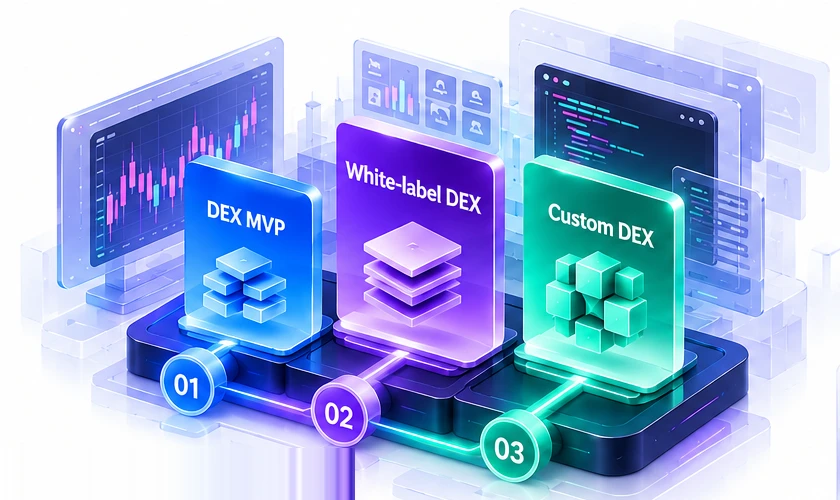
Estimated Cost Comparison by DEX Development Approach
| Development approach | Typical scope | Cost considerations |
|---|---|---|
 DEX MVP |
Core swaps, wallet connectivity, essential interface | Minimum feature set and blockchain |
 White-label DEX |
Existing platform with supported configuration | Licensing, customization, integrations, security review |
 Custom DEX |
Tailored contracts, trading logic, and features | Architecture, protocol complexity, testing, integrations |
Audit, Deployment and Ongoing Maintenance Expenses
Beyond development, businesses should budget for smart contract audits, deployment preparation, blockchain infrastructure, monitoring tools, and third-party services where applicable. Ongoing expenses may include maintenance, vulnerability remediation, integration updates, and platform improvements.
Ongoing Costs
 Smart contract audits
 Deployment preparation
 Blockchain infrastructure
 Monitoring tools
 Third-party services
 Maintenance
 Vulnerability remediation
 Platform improvements

A reliable estimate requires an assessment of the project requirements. Share your preferred DEX model, target blockchain, essential features, and integration needs with Craitrix to receive a project-specific development estimate.
Get a Cost Estimate for Your DEX Project
Share your preferred DEX model, essential features, and integration requirements to receive a project-specific development estimate.
Technology Stack for Decentralized Exchange Development
We select suitable technologies based on the DEX architecture, blockchain requirements, and integrations needed for the platform.
The final stack depends on the selected blockchain and project requirements.
Smart contracts
Frontend
Blockchain connectivity
Wallet integration
Data and oracles
Infrastructure

 Solidity
 Hardhat
 Foundry
 React.js
 TypeScript
 EVM-compatible networks
RPC providers
MetaMask
 WalletConnect
The Graph
 Chainlink
Cloud services
Monitoring tools
Technology Stack for Decentralized Exchange Development
We select suitable technologies based on the DEX architecture, blockchain requirements, and integrations needed for the platform.
The final stack depends on the selected blockchain and project requirements.
Smart contracts
Frontend
Blockchain connectivity
Wallet integration
Data and oracles
Infrastructure
Solidity
Hardhat
Foundry
React.js
TypeScript
EVM-compatible networks
WalletConnect
Chainlink
Why Choose Craitrix as Your Decentralized Exchange Development Company?
Choosing the right decentralized exchange development company is essential for building a secure, scalable, and reliable DEX platform. Craitrix provides customized DEX development services with smart contract integration, liquidity pools, token swaps, wallet connectivity, and cross-chain trading capabilities to meet your business requirements. For businesses planning to launch centralized trading platforms, our cryptocurrency exchange development services offer solutions tailored to different trading models and business goals. Our team also focuses on flexible platform architecture, security-focused development, and essential integrations to support long-term growth.

Build Your Decentralized Exchange with Craitrix
Have a DEX project in mind? Share your business goals, preferred trading model, and blockchain requirements with our team to discuss the right development approach.

Frequently Asked Questions
The cost depends on the DEX model, smart contract complexity, blockchain, integrations, security requirements, and feature scope. A project assessment is needed to provide an accurate estimate.
The timeline depends on the platform model, required features, integrations, testing, and audit requirements. A defined project scope helps establish a realistic delivery schedule.
Yes, a white-label solution can provide an existing platform foundation that can be configured around supported business requirements. Customization and integration needs determine the remaining development effort.
The choice depends on transaction costs, throughput, target users, token standards, available liquidity, and ecosystem compatibility. The network should match your trading model and business requirements.
A DEX can attract liquidity through suitable trading pairs, liquidity provider incentives, fee-sharing mechanisms, and partnerships where appropriate. Results depend on market demand and the sustainability of the strategy.
An independent audit is an important security measure for many DEX platforms. It helps identify vulnerabilities but should complement code reviews, testing, and ongoing monitoring rather than replace them.
Ownership depends on the development agreement, licensing terms, and any third-party components used. Define source-code ownership, intellectual property rights, deployment access, and maintenance responsibilities in the contract before development begins.